
TFW Cap Expansion: A Step Forward for Rural Operators
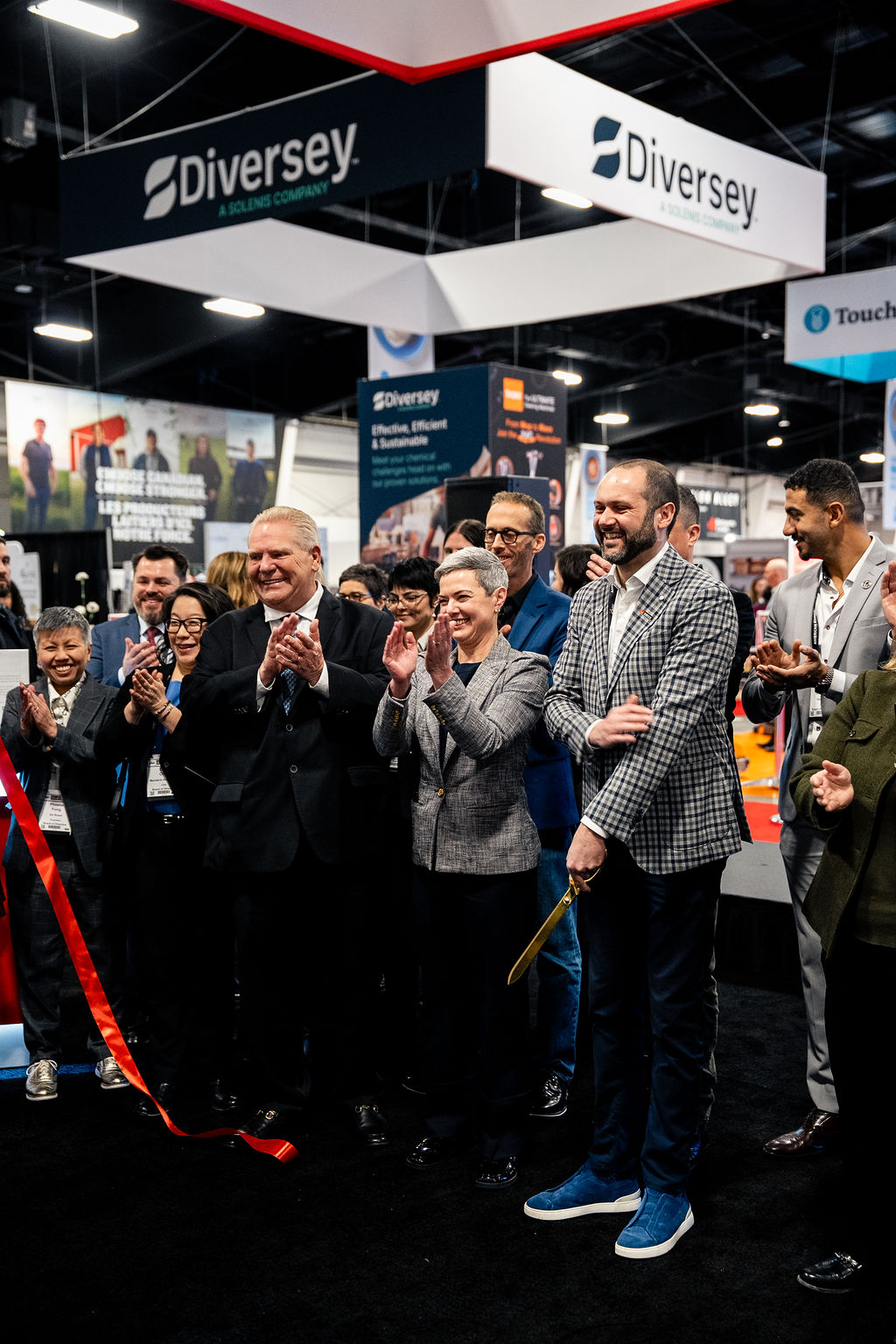
And that’s a wrap on another RC Show! We want to extend our sincere thanks to everyone who participated, attended, spoke, sponsored, and presented. To those who entered competitions and to all who left with new insights, products to explore, and fresh inspiration—thank you.
RC Show 2026 marked an exciting new chapter for Canada’s leading foodservice and hospitality event, expanding into a venue designed to accommodate the Show’s continued growth while providing ample space for exhibitors, programming, and networking over the three-day event. Across five curated halls and more than 1,350 booths, exhibitors showcased a wide range of products, services, and solutions spanning food, beverage, equipment, technology, and sustainability.
The show welcomed over 25,000 hospitality and foodservice professionals, alongside 189 culinary leaders, presenters, and industry changemakers who took part in panels, keynote discussions, and education sessions exploring the trends and ideas shaping the future of hospitality.
We look forward to seeing you at RC Show 2027 at our new home, the International Centre in Mississauga, Ontario.
You can read a full recap of the RC Show here.


Federal government announces temporary increase to TFW cap in rural communities
Restaurants Canada has been actively lobbying the federal and provincial governments for solutions to the labour shortages facing many operators, especially in rural and tourist regions. On March 13, the federal government announced new measures under the Temporary Foreign Worker Program to help employers in rural regions experiencing severe labour shortages, including an increase to the allowable share of low-wage TFWs from 10% to 15% of their workforce.
In order for this increase to take effect, provinces and territories need to make a formal request of the federal government to secure this cap increase for eligible rural regions. Additionally, these measures are temporary and will only remain in place until March 31, 2027.
While this still leaves many restaurants without access to the critical labour they need, it’s a move in the right direction. We issued a cautiously supportive public statement and have been vocal in media interviews, emphasizing that the restaurant industry needs a stable and predictable supply of labour to protect Canadian jobs, and to ensure that restaurants continue to be a major contributor to the economy and support the vitality of communities across the country.
Our path forward
We are advocating nationally on this issue, engaging with all provincial and territorial governments to urge them to support the cap increase for their rural regions, and to include the foodservice industry in their priority sectors for immigration. We have sent letters to the immigration and labour Ministers for every Province and Territory to act on the Government of Canada’s offer to increase the allowable share of low-wage temporary foreign workers from 10% to 15% in eligible rural regions, and to identify the restaurant industry as a priority sector. The team will continue to engage with Regional Governments to push for this commitment to our sector.
We will keep you updated as our advocacy continues and as more information on the program details emerge.
Additionally, we continue pushing the federal government to develop a workforce strategy that includes access to immigration streams with a path to permanent residency, investment in youth, training and onboarding, and grants and tax incentives for automation and smart kitchen technology.
Take a look at our Many Hands Make Restaurants Work campaign for more information on the policies we are pushing. The campaign has just started to unfold, with the launch of the hero video and we will be moving into the next phase in the coming week. Your engagement in our campaign and our work is critical to our success.
Premier Ford promises action on alcohol pricing at the RC Show
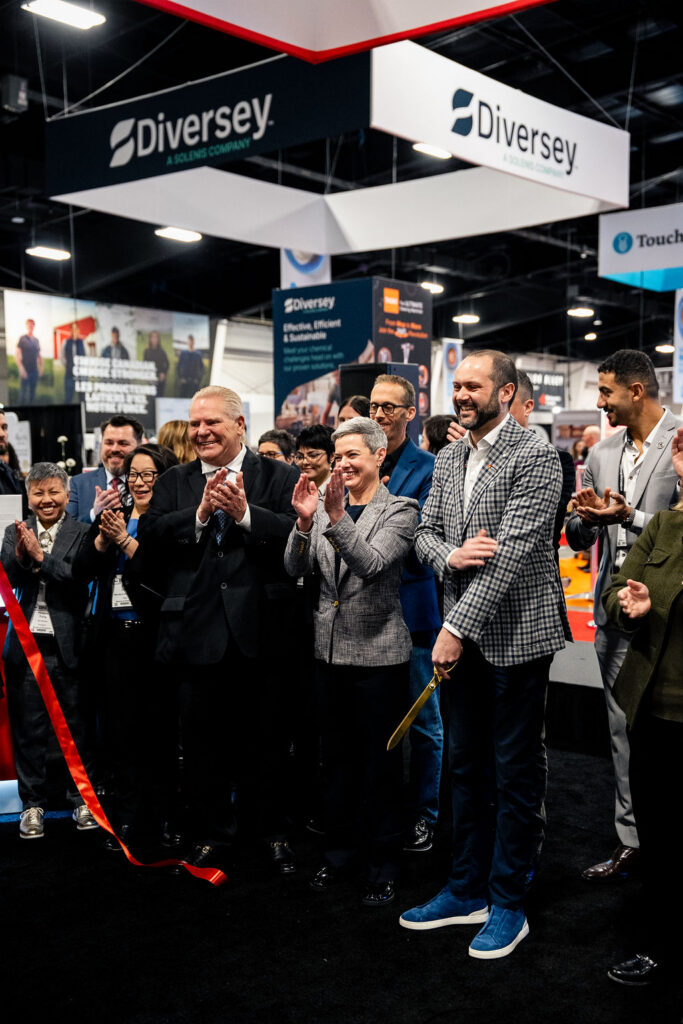
The 2026 RC Show in Mississauga, Ontario, earlier this month was full of unforgettable moments. Just before the ribbon-cutting ceremony, Restaurants Canada CEO Kelly Higginson, members of the Restaurants Canada Government Relations team and two members from our Board of Directors met with Premier Doug Ford, Finance Minister Peter Bethlenfalvy and Rural Affairs Minister Lisa Thompson to discuss alcohol pricing for licensees. During his public remarks following the ribbon cutting to officially open the Show, the Premier committed to work with our industry to address unfair beer pricing that forces restaurants and bars to pay far more than grocery and convenience stores for the same products.
We have been pushing hard on this issue over many months, and it was encouraging to get the Premier’s public commitment to address this issue.
Ontario Tourism Minister Stan Cho, and the Parliamentary Secretaries to the Ministers of Small Business and Agriculture also toured the RC Show floor.
PLEASE Fill out our Restaurant Outlook Survey
If you haven’t already, please take a few minutes to fill out our latest Restaurant Outlook Survey. The information you provide is essential to our advocacy efforts.
The survey should take less than 5 minutes to complete and will remain open until March 27th. We will share a summarized copy of the results with everyone who participated.
FEDERAL UPDATE
From Matt Triemstra | Vice-President, Federal Affairs
Pre-Budget Submission 2026
The House of Commons Standing Committee on Finance has begun its consultation on measures to include in Budget 2026. To align with the new federal fall budgeting cycle introduced by the government in 2025, the consultations are being held earlier than past years, with submissions due April 30. Restaurants Canada will be actively engaging with members to build a submission that reflects the top challenges identified by operators.
Government Engagement
Our Ottawa team is continuously meeting policy makers in Ottawa to advocate for our industry. Most recently we met with political staff to MP Rachel Bendayan, Parliamentary Secretary to the Prime Minister and with MP Colin Reynolds (Elmwood-Transcona), a new MP and member of the Human Resources, Skills and Social Development and the Status of Persons with Disabilities. In addition, we have held regular meetings with government officials from the Temporary Foreign Worker Program and with officials from ISED’s Tourism Branch.
SUSTAINABILITY UPDATE
From Jillian Rodak | Vice-President, Sustainability
Federal Plastics Registry
On March 14, the federal government published a Notice in the Canada Gazette announcing the intention to formally postpone the reporting deadlines for Phases 2 and 3 of the Federal Plastics Registry. We are continuing to engage with Environment and Climate Change Canada on their approach to streamlining the reporting process for Phase 1 and the continued postponement of Phases 2 and 3.
EPR in Nova Scotia
Divert NS, Nova Scotia’s oversight organization for extended producer responsibility, is hosting a consultation webinar about regulator fees on March 25th. Nova Scotia’s EPR program launched on December 1, 2025. If you are interested in participating in the upcoming webinar, click here.
Government of Quebec Budget: EPR announcement
Quebec’s 2026 Provincial Budget, released on March 17, includes an allocation of $27 million to support Éco Entreprises Québec (EEQ), Quebec’s producer responsibility organization (PRO). This is a one-time measure to ensure the transition between the old and new waste recovery and recycling system. While Restaurants Canada welcomes this cost relief measure, the overall annual program fees continue to swell beyond what is feasible and equitable for many of our members and we continue to press the Government of Quebec to reassess the EPR regulatory obligations.
Additional EPR reporting requirements in Quebec for 2026
EEQ is hosting a series of Q&A sessions about the additional reporting requirements. In 2026, restaurants are required to report on corrugated cardboard and paperboard used as secondary packaging put on the market between July 1 and December 31, 2025. This packaging is already collected at curbside and currently there is no additional fee requirement. The reporting deadline for these items is May 31, 2026. Register here for the next Q&A session, taking place on March 31 (French) and on April 2 from 10:45am-12:00pm (English).
ATLANTIC CANADA UPDATE
From Janick Cormier | Vice-President, Atlantic Canada
Newfoundland and Labrador
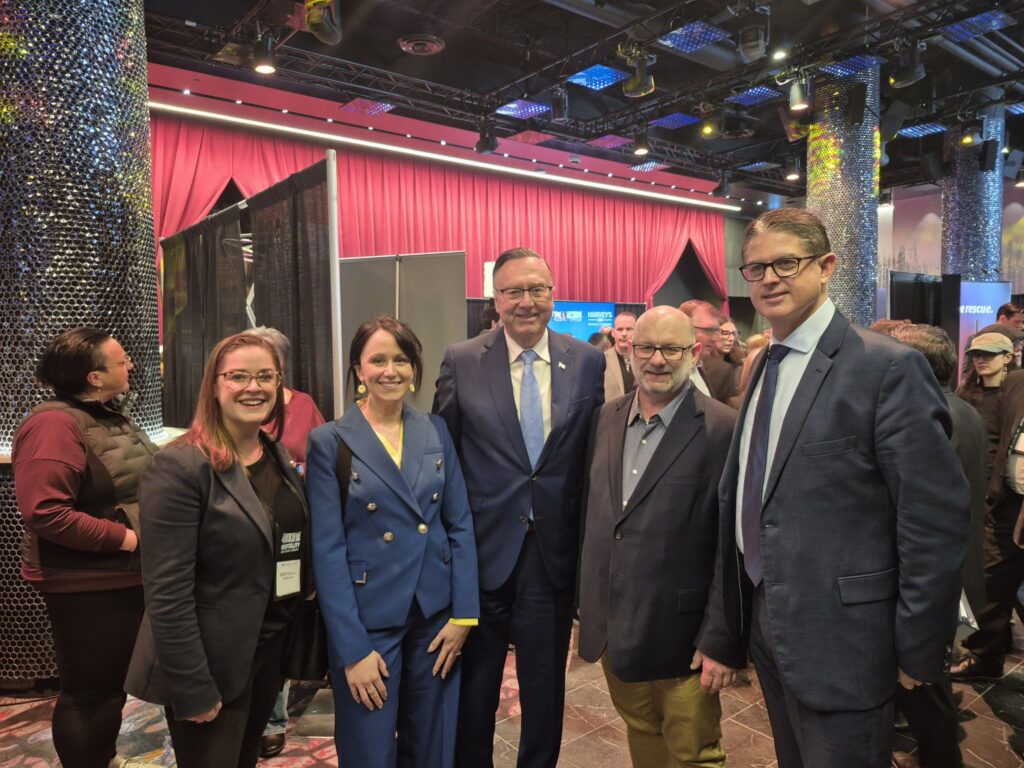
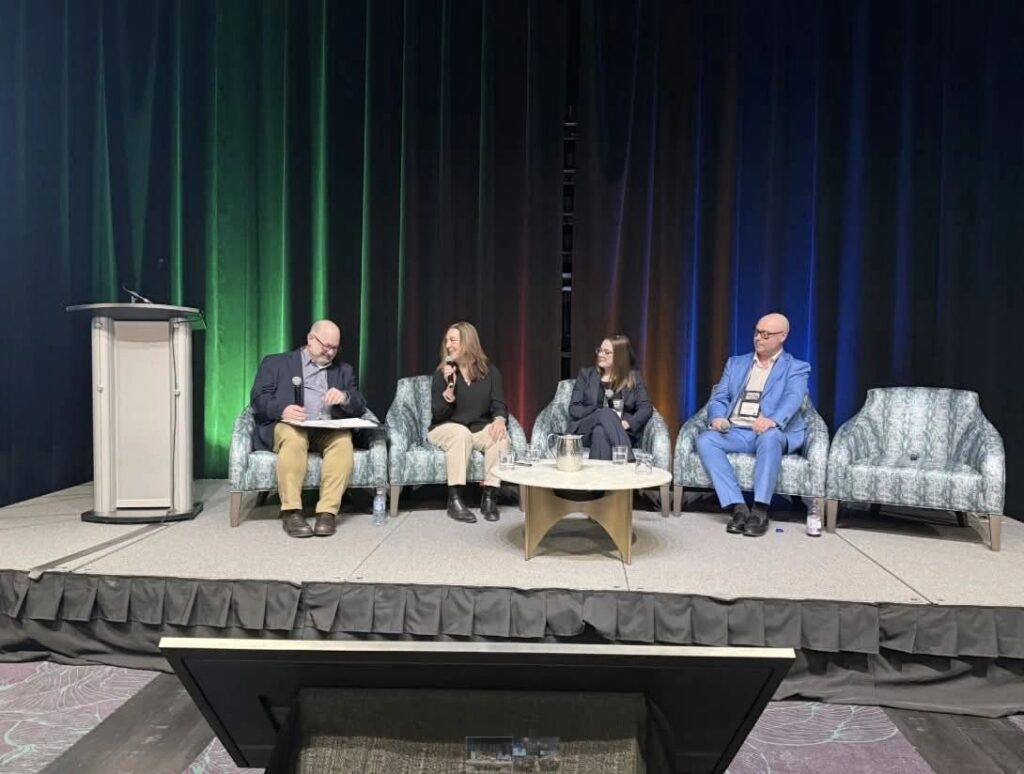
Restaurants Canada participated in the annual Hospitality Newfoundland and Labrador conference in St. John’s at the end of February and connected with Premier Wakeham and Tourism Minister Andrea Barbour. During the conference, Restaurants Canada was pleased to host a reception at Rabble, providing an opportunity to discuss with members key issues like increasing operating costs and chronic labour shortages. Restaurants Canada is arranging meetings with several cabinet ministers and the Premier to continue to ensure that those concerns are understood as they prepare for the upcoming budget.

New Brunswick
Finance Minister René Legacy tabled New Brunswick’s 2026-27 budget last week. The centerpiece of the budget is “generational investments” in healthcare, alongside investments in education, affordability and housing. The projected deficit of $1.39 billion is the other main focus, with a number of measures cited to address the fiscal situation.
The budget did not contain any measures specifically targeting the restaurant and foodservice industry. However, the budget contains a $2 million investment in the province’s new 5-year tourism strategy, which includes the need to boost culinary tourism in the province. Minister Legacy referenced tourism several times in his remarks, and Restaurants Canada will continue to highlight that ongoing efforts to boost tourism revenues in the province require a strong and vibrant foodservice industry.
CENTRAL CANADA UPDATE
From Kris Barnier | Vice-President, Central Canada and the North
Business Security Rebate
The Manitoba Business Security Rebate Program remains open and is still accepting claims. The Business Security Rebate Program offers up to $2,500 per business location to help foodservice and other businesses repair crime-related property damage and invest in eligible security measures. There is no cap on the number of locations per applicant.
Upcoming Meetings with Ministers on Workforce Stability/Immigration
MRFA and Restaurants Canada have scheduled meetings with Labour and Immigration Minister Malaya Marcelino and Tourism Minister Nellie Kennedy to urge them to address urgent labour shortages and challenges caused by immigration policy.
Manitoba Budget – March 24
Finance Minister Adrien Sala will present the provincial Budget on March 24. Last year’s Budget included the above-mentioned Business Security Rebate Program. MRFA and RC have been working closely together to push the province to reduce alcohol costs for restaurants and bars, to take action to help stabilize the hospitality workforce, to deliver PST relief on restaurant meals, and to help restaurants invest in technologies that drive efficiency and help restaurants grow.
MRFA Hall of Fame Dinner
Restaurants Canada was pleased to attend the 2026 MRFA Hall of Fame Gala in Winnipeg on February 19. This year’s honourees were Richard Enright of Boston Pizza, James Siwicki of Silver Heights, and Oscar Grubert.
Ontario Budget – March 26
Restaurants Canada President Kelly Higginson and Vice President Kris Bernier will be invited guests of the Finance Minister when he delivers the Budget at Queen’s Park this week. We will be looking for ongoing progress on alcohol pricing, support with labour shortages, PST relief on restaurant meals, support for businesses looking to invest in technology that drives efficiency and helps growth, and initiatives targeting crime and public safety.
Ontario: LCBO transformation/service disruptions
If you currently order online from LCBO, it is important for your business to be prepared for upcoming service disruptions resulting from LCBO’s implementation of its new wholesale pricing system and supporting customer interface, which takes effect on April 1. Key dates to note:
- March 23 (6 pm) to March 31: You will be unable to place online orders on wholesale.lcbo.com.
- March 25 (11 pm): Last day to place an online order for in-store pickup.
- March 28 (noon): All in-store pick up orders must be picked up otherwise they will be cancelled.
- April 1: Wholesale.lcbo.com is once again available; ordering resumes and claims can be submitted on the same platform.
The full details about the service disruptions were circulated in a note to members by Restaurants Canada last week, which you can reference here.
WESTERN CANADA UPDATE
From Cheryl Maitland Muir | Vice-President, Western Canada
BC: Deadline approaching for liquor service changes during FIFA World Cup
The deadline to apply to the BC Liquor and Cannabis Regulation Branch (BC LCRB) for temporary changes to your liquor license during FIFA World Cup 2026 is March 31, 2026, including a temporary extension of your outdoor licensed area. Deadlines for Special Event Permits range from 30-60 days in advance of your event. Please visit the BC LCRB Liquor licensing guide for FIFA World Cup 2026 for more information and to start your application process.
BC: Direct delivery of refreshment beverages
The BC Liquor Distribution Branch (LDB) is introducing changes that will allow eligible B.C. liquor manufacturers to direct deliver packaged refreshment beverages to wholesale customers. The LDB will share additional details in the coming weeks, with phased implementation starting this spring. Restaurants Canada has advocated for this policy change and welcomes the improved efficiency it will bring to the liquor supply chain. More information can be found on the LDB Wholesale Operations website.
AGLC Survey: Liquor Licensee Handbook updates
The AGLC is surveying Alberta Class A, B and C liquor licensees on potential changes to the Liquor Licensee handbook. Questions relate to extended service hours and minimum pricing, and the survey is open until April 7th. You can access the survey here.
Saskatchewan Budget
Saskatchewan’s Finance Minister tabled the province’s 2026–27 Budget on March 18th. While the budget includes an $819 million deficit, the strength of the provincial economy has enabled the government to maintain key affordability measures and increase investments in essential services.
Budget highlights include:
- Maintaining the small business tax rate at 1%
- No new taxes or tax increases
- Investments in workforce development, including apprenticeship programs and foundational skills training
- Affordability measures for families, including expanded tax exemptions and tax credits, as well as the continued indexation of tax brackets
We will continue to monitor budget developments and update members as needed. In the months ahead, we will also be advancing key policy priorities in the province, including improved access to wholesale pricing for all licensees.
With gratitude,

Kelly Higginson
