Premier Kinew refuses to meet with restaurants over PST plan that advantages grocery giants
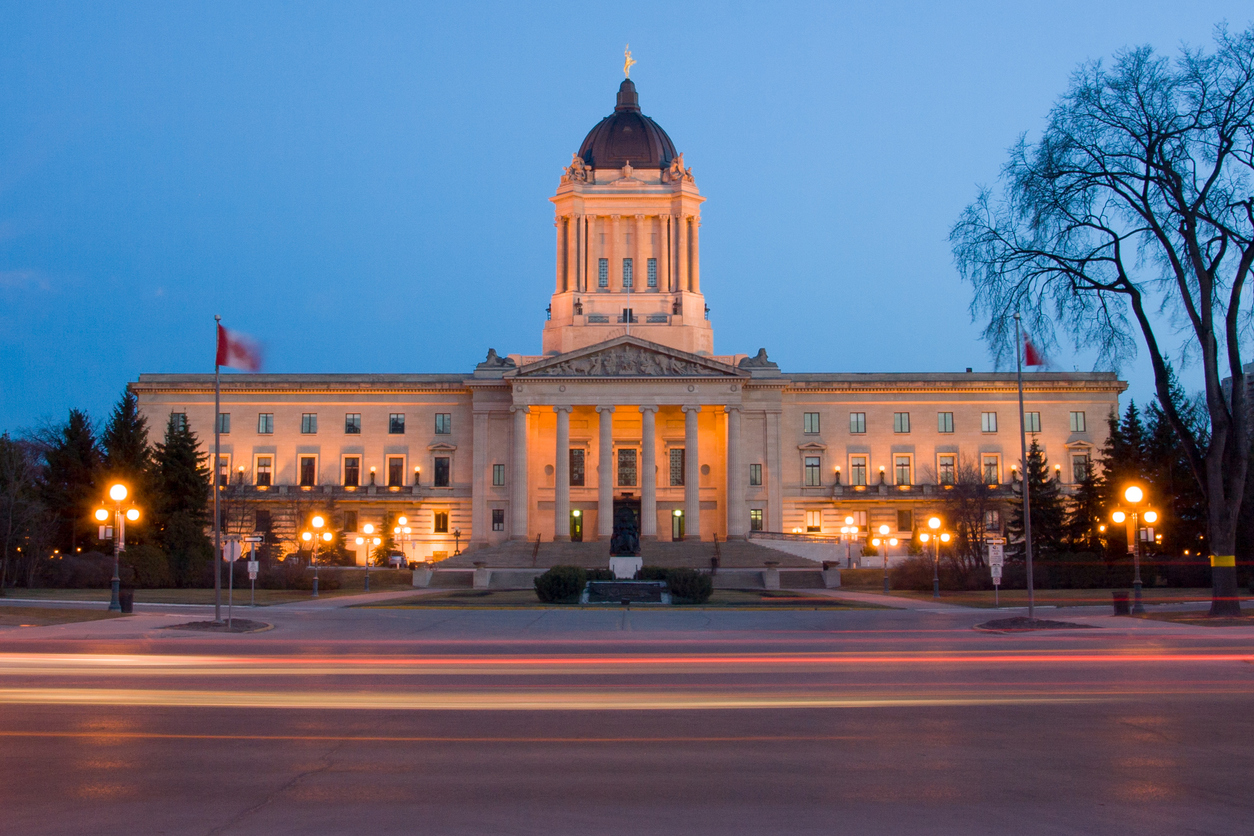
Restaurants Canada is deeply disappointed that Premier Wab Kinew has refused requests to meet regarding the Manitoba government’s plan to exempt prepared meals sold in grocery and convenience stores from PST while continuing to apply the tax to the same products sold by restaurants.
Following Manitoba’s 2026 Budget, Restaurants Canada met with Finance Minister Adrien Sala and wrote to Premier Kinew requesting a meeting before legislation is passed to discuss amendments that would ensure restaurants are treated fairly and included in the PST relief. After multiple follow-ups requesting even a brief phone call, Restaurants Canada was informed on May 26 that the Premier was “unable to meet at this time due to heavy scheduling demands” and had asked another minister to meet in his place.
“The PST exemption was the centrepiece of the Manitoba Budget, so it is both disappointing and concerning that the Premier cannot find time to meet with the industry that will be most harmed by his government’s approach,” said Kelly Higginson, President & CEO of Restaurants Canada. “This policy creates a government-directed tax advantage for large grocery chains at the direct expense of local restaurants, their workers, and the communities they support.”
The Manitoba foodservice industry generates nearly $3.5 billion in annual sales and directly employs approximately 42,000 Manitobans, more than 40% of them youth. Restaurants are among the most labour-intensive sectors in the economy, supporting approximately 12 jobs per $1 million in sales compared to roughly four in grocery and retail.
“This policy risks harming not only restaurants, but also Manitoba youth looking for work and the many local businesses that depend on restaurants as customers,” said Higginson.
“This is not a neutral affordability measure and it is not a tax cut on food,” said Higginson. “It is a tax shift between competitors. Consumers only receive relief if they change where they purchase their meals, which actively shifts demand away from restaurants and toward large grocery chains, even when the food product is identical. At its core, this policy uses the tax system to pick winners and losers.”
Lower-income households spend a higher share of their income at restaurants than higher-income households, meaning equitable tax treatment would provide proportionally greater benefit to those most in need.
“For many Manitobans – workers, families managing busy schedules, seniors, and individuals with limited mobility – restaurants are often the most accessible and practical source of prepared meals,” said Higginson. “Taxing those meals while exempting grocery alternatives does not expand affordability; it distorts consumer choice and limits it.”
Historical evidence shows that differential tax treatment changes consumer behaviour and costs jobs. Following the introduction of the GST in 1991, foodservice sales dropped sharply as consumers shifted purchases toward tax-exempt grocery options.
Restaurants Canada continues to urge the Manitoba government to reconsider the design of the measure and adopt a consistent approach that treats all prepared food equally regardless of where it is purchased.
“The principle is simple: food is food,” said Higginson. “If the government intends to reduce the cost of prepared meals, that relief should apply consistently. Anything less uses the tax system to advantage grocery giants while disadvantaging local restaurants, their workers, and the communities they serve.”
Media Contact:
Milena Stanoeva, Restaurants Canada | media@restaurantscanada.org | 647-921-1758
About Restaurants Canada
Restaurants Canada is a national, not-for-profit association advancing Canada’s diverse and dynamic foodservice industry. Restaurants are a $125 billion industry employing 1.2 million Canadians and the number one source of first-time jobs in Canada. Visit restaurantscanada.org for more information.
Related Articles
- Manitoba PST plan on prepared food will distort consumer choice, threaten restaurant jobs: Restaurants Canada
- Manitoba Budget 2026 misses opportunity to make all food more affordable
- Restaurants Canada welcomes details of Manitoba’s Business Security Rebate
- Restaurants Canada and MRFA Praise Kinew Government Budget: Several Initiatives Outlined Today Will Secure Restaurant Locations and Jobs
- Manitoba earns C grade on pandemic liquor policy report card
